

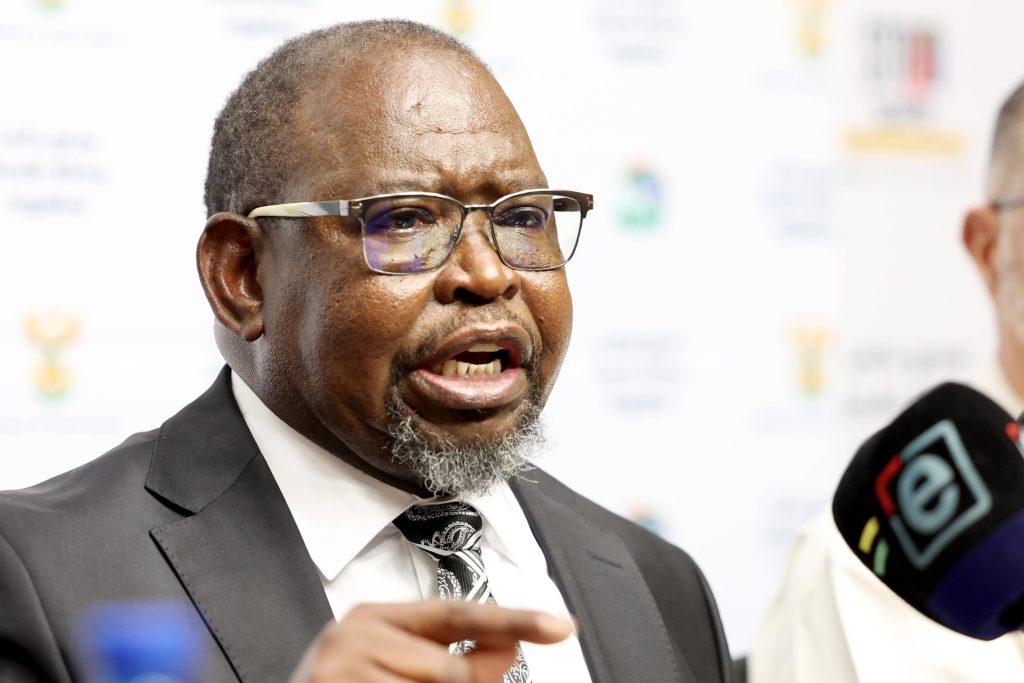
In an unprecedented development, South Africa’s 2025/2026 National Budget Speech, scheduled for February 19, 2025, has been postponed due to internal disagreements within the Government of National Unity (GNU). The primary point of contention is the proposed 2% increase in Value-Added Tax (VAT), which has met significant resistance from coalition partners.
Political Dynamics and Fiscal Challenges
The African National Congress (ANC), having lost its parliamentary majority in the 2024 elections, now relies on coalition partners to pass critical legislation. The Democratic Alliance (DA), a key member of the GNU, has expressed strong opposition to the VAT hike, leading to the budget’s postponement. DA leader John Steenhuisen stated, “We cannot support a budget that places an additional financial burden on South Africans already struggling with the high cost of living.”
National Assembly Speaker Thoko Didiza acknowledged the gravity of the situation, noting that such a postponement is unprecedented in the three decades since the end of apartheid. She emphasised the need for consensus within the GNU to ensure the budget reflects a unified approach to the nation’s economic challenges.
Economic Implications
The delay in presenting the national budget introduces uncertainty into South Africa’s economic landscape. A Reuters poll conducted prior to the postponement projected a widening budget deficit, with forecasts indicating a deficit of 4.55% of GDP for the fiscal year starting in April, up from the previous 4.30% estimate. Factors contributing to this include rising debt-service payments, social spending programs, and ongoing support for state-owned enterprises like Eskom.
The proposed VAT increase from 15% to 17% was intended to address revenue shortfalls and stabilize public finances. However, opponents argue that such a measure could exacerbate economic hardships for consumers and potentially stifle economic growth. The postponement of the budget underscores the complexities of coalition governance, especially when addressing sensitive fiscal policies.
Top Executive Perspectives
From a corporate leadership standpoint, the current political and economic impasse necessitates strategic foresight and adaptability. Executives are advised to closely monitor developments within the GNU and assess potential impacts on their operations and financial planning. The delay in budget approval may affect public sector contracts, tax policies, and overall economic confidence.
In light of these uncertainties, Top Executive recommends the following actions for business leaders:
-
Scenario Planning: Develop contingency plans that account for various fiscal policy outcomes, including potential tax increases or spending cuts.
-
Stakeholder Engagement: Engage with industry associations and government representatives to advocate for policies that support economic stability and growth.
-
Financial Prudence: Exercise caution in capital expenditures and consider strengthening liquidity positions to navigate potential economic volatility.
-
Talent Management: Communicate transparently with employees about potential economic impacts and consider strategies to retain key talent during uncertain times.
The current situation also presents an opportunity for corporate leaders to influence policy discussions constructively. By collaborating with government entities and other stakeholders, businesses can play a pivotal role in shaping an economic environment conducive to sustainable growth and shared prosperity.
In conclusion, while the postponement of the 2025/2026 National Budget reflects significant challenges within South Africa’s political and economic spheres, it also highlights the critical role of cohesive governance and collaborative problem-solving. Top Executive remains committed to providing insights and guidance to navigate these complexities effectively.