

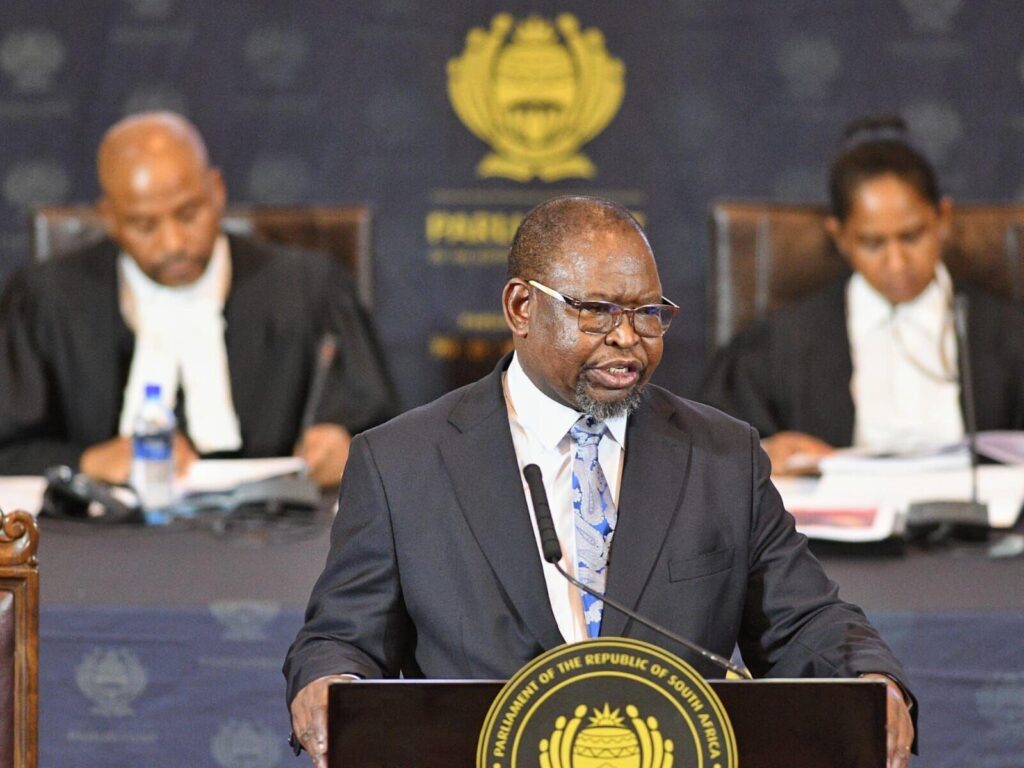
On March 12, 2025, Finance Minister Enoch Godongwana delivered South Africa’s 2025 Budget Speech in Parliament, outlining the government’s fiscal policies and priorities for the upcoming year. The budget addresses critical issues such as taxation, social spending, economic growth, and infrastructure development.
10 Key Takeaways from the 2025 Budget Speech
- Incremental VAT IncreaseThe government proposes a 0.5 percentage point increase in Value-Added Tax (VAT) from the current 15%, effective May 1, 2025, with an additional 0.5 percentage point hike planned for 2026. This phased approach aims to boost revenue while mitigating the immediate impact on consumers.
- No Adjustments to Income Tax BracketsThe budget does not include adjustments to personal income tax brackets, effectively resulting in bracket creep where taxpayers may move into higher tax brackets due to inflation, increasing their tax burden.
- Incentives for Electric Vehicle (EV) ProductionA R1 billion investment is allocated to support local production of electric vehicles, batteries, and related manufacturing projects. This initiative aims to transition the automotive industry towards EV production by 2035, aligning with global sustainability trends.
- Reduction in Eskom Debt ReliefThe government has reduced Eskom’s debt relief package by R20 billion, providing R50 billion in loans instead of the initially planned R70 billion debt takeover. This decision reflects Eskom’s improved financial position and the government’s commitment to fiscal prudence.
- Modest Increases in Social GrantsSocial spending will rise by R8.2 billion over the medium term, with modest, inflation-beating increases in welfare grants to support vulnerable populations.
- Focus on Infrastructure DevelopmentThe budget emphasises investment in infrastructure projects to stimulate economic growth, create jobs, and improve service delivery across the country.
- Support for Small and Medium Enterprises (SMEs)Initiatives to support SMEs include access to financing, capacity-building programs, and reducing regulatory burdens to foster entrepreneurship and job creation.
- Enhancements in Healthcare FundingIncreased allocations to the healthcare sector aim to improve service delivery, address infrastructure backlogs, and ensure better access to quality healthcare services.
- Education Sector InvestmentThe budget allocates additional funds to education, focusing on infrastructure development, teacher training, and expanding access to early childhood development programs.
- Commitment to Fiscal ConsolidationThe government reiterates its commitment to fiscal consolidation by implementing measures to reduce the budget deficit and stabilise public debt over the medium term.
Impacts on Businesses
South African companies should carefully assess the implications of the 2025 Budget, particularly regarding tax policy changes. The proposed VAT increase, while smaller than initially anticipated, could still have a significant impact on consumer spending. Businesses in retail, manufacturing, and essential goods sectors must prepare for potential shifts in demand and adjust pricing strategies accordingly. Additionally, corporate tax policies, incentives for investment, and any adjustments to tax breaks must be scrutinised, as they could affect overall business profitability and long-term growth strategies.
Another key area of concern is government spending and fiscal consolidation measures. South African businesses rely on public sector projects, infrastructure investment, and government contracts, all of which are influenced by budget allocations. Companies in construction, logistics, energy, and telecommunications should pay close attention to how funds are distributed to infrastructure development and whether any budget cuts could affect ongoing or future projects. Furthermore, businesses engaged in public-private partnerships should be aware of any policy shifts that may alter the regulatory landscape.
Lastly, companies should look at the broader economic impact of the budget on employment, economic growth, and industry-specific regulations. With the government focusing on debt reduction and revenue generation, businesses must anticipate potential changes in labour laws, minimum wage adjustments, and compliance costs. The budget’s stance on economic stimulus initiatives, small business support, and foreign investment policies will determine the overall business climate. By proactively assessing these factors, South African companies can adapt to the new fiscal environment, manage risks, and capitalise on emerging opportunities.
Oppositions Feedback
The proposed VAT increase has faced criticism from opposition parties. The Democratic Alliance (DA) has firmly opposed any VAT hike, stating, “The DA will not support the budget in its current form. We will continue to fight for economic growth and jobs.” Other opposition parties share similar sentiments, expressing concerns about the regressive nature of VAT increases and their impact on low-income households.
Several opposition parties have voiced strong objections to the proposed VAT increase in the 2025 budget, citing concerns about its impact on South Africa’s economically vulnerable populations.
Economic Freedom Fighters (EFF)
The EFF has criticised the VAT hike, arguing that it disproportionately affects low-income households. They advocate for alternative revenue-generating measures, such as increasing taxes on the wealthy and corporations, to address the fiscal deficit without burdening the poor.
Inkatha Freedom Party (IFP)
The IFP has expressed reservations about the VAT increase, suggesting that the government should focus on curbing corruption and reducing wasteful expenditure to improve fiscal health, rather than implementing tax hikes that could exacerbate poverty and inequality.
Freedom Front Plus (FF+)
The FF+ opposes the VAT increase, contending that it could stifle economic growth by reducing consumer spending. They propose that the government implement more efficient tax collection methods and broaden the tax base to enhance revenue without increasing VAT.
United Democratic Movement (UDM)
The UDM has voiced concerns that the VAT hike could lead to higher living costs for ordinary South Africans. They recommend that the government explore alternative fiscal strategies, such as cutting unnecessary public spending and improving tax compliance, to address budgetary challenges.
African Christian Democratic Party (ACDP)
The ACDP opposes the VAT increase, highlighting the potential negative impact on charitable organisations and the communities they serve. They suggest that the government consider other revenue-raising measures that do not disproportionately affect the poor and vulnerable.
These diverse perspectives underscore the contentious nature of the proposed VAT increase and the broader debate on equitable fiscal policies in South Africa.
Support from Top Executives
Despite opposition, several business leaders have expressed support for the budget’s focus on infrastructure development and incentives for local EV production, viewing these measures as catalysts for economic growth and industrial advancement. They anticipate that the budget’s implementation will stimulate private sector investment and enhance South Africa’s competitiveness in emerging industries.
Anticipation for Budget Debate
The upcoming parliamentary debate on the budget is expected to be robust, with discussions centred on taxation policies, social spending, and strategies to achieve sustainable economic growth. Stakeholders from various sectors will closely monitor the proceedings, given the budget’s significant implications for South Africa’s economic trajectory.